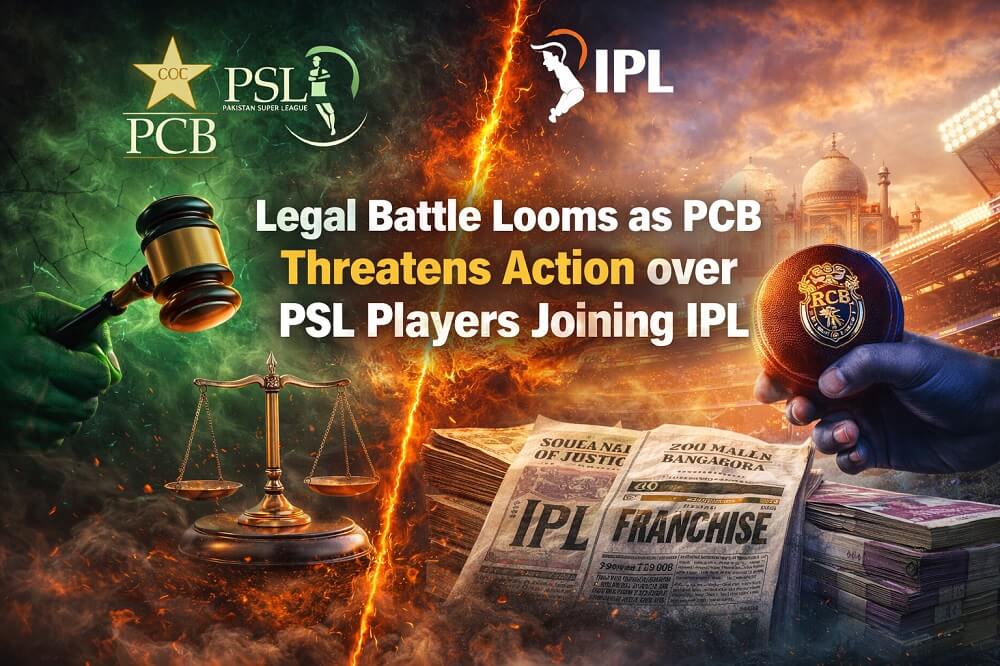
Legal Battle Looms as PCB Threatens Action over PSL Players Joining IPL
Posted on March 29, 2026 by admin
Introduction
The recent decision by Dasun Shanaka and Blessing Muzarabani to leave their PSL 2026 contracts in favor of IPL engagements has sparked a potential legal and contractual dispute. PCB chairman Mohsin Naqvi has indicated that these actions could trigger disciplinary sanctions, raising broader questions about contract enforcement in international T20 leagues. (livemint.com)
Contractual Obligations in T20 Leagues
Players signing for PSL or any franchise agree to terms including availability, conduct, and exclusivity clauses. By withdrawing mid-contract, Shanaka and Muzarabani may have violated:
- Player agreements with their franchises
- PSL bylaws regulating participation
- Global cricketing norms on league exclusivity
PCB’s threat of bans highlights the serious nature of contractual breaches.
Precedents in Franchise Cricket
Past examples include:
- Corbin Bosch and other overseas players who were banned for skipping PSL commitments.
- Players withdrawing from CPL or BBL to join IPL replacements faced fines or suspensions.
These precedents give PCB a strong legal footing to enforce sanctions if needed.
Potential Sanctions
The PCB may impose:
- Suspensions of one or more seasons
- Financial penalties for breach of contract
- Restrictions on signing future PSL contracts
Such measures aim to preserve league credibility and deter future contract breaches.
Global Perspective
The IPL is widely recognized as the most lucrative T20 league. Franchise contracts across leagues like PSL, BBL, and CPL often overlap with IPL windows, creating systemic conflicts. Boards must balance player freedom with legal enforceability of contracts.
Implications for League Governance
- PSL: Must revise contracts to reduce overlap risks with IPL.
- IPL: Offers financial incentives but must respect global league calendars.
- Players: Must navigate career decisions without violating contractual obligations.
This incident underscores the challenges of scheduling, contracts, and player management in global cricket.
Ethical Considerations
Even if legal action is enforceable, questions of ethics remain. Is it fair to penalize players seeking better opportunities? Or should boards adapt to market-driven career choices? Balancing fairness with enforcement is a key dilemma.
Conclusion
The dispute over Dasun Shanaka and Blessing Muzarabani’s participation in the Indian Premier League highlights a critical legal and contractual tension in T20 cricket. The Pakistan Cricket Board’s firm stance signals that leagues will enforce agreements strictly, even against high-profile stars. This situation may reshape player negotiations, contract clauses, and scheduling strategies in franchise cricket globally, making IPL and PSL governance more complex in the years ahead. At the same time, growing global interest has driven fans to explore IPL betting ID platforms, reflecting the league’s expanding digital engagement and commercial reach.
FAQ
Q1: Can PCB legally ban Shanaka and Muzarabani?
Yes, under PSL player agreement clauses and past precedent.
Q2: What penalties could be imposed?
One-year bans, fines, and restriction from future PSL contracts.
Q3: Do IPL contracts allow players to break other commitments?
No, but IPL teams may sign replacements if a player becomes available.
Q4: How will this affect future player signings?
Potentially stricter contracts and overlap management between leagues.
